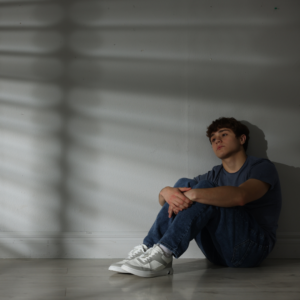
In rural and remote Canada, winter means shorter days, longer nights, and harsh weather. For many, the arrival of this season brings a familiar heaviness and sense of dread. This article explores seasonal affective disorder (SAD), how to navigate the winter months, and where to find help.
What is Seasonal Affective Disorder
 SAD is a form of depression that follows a seasonal pattern usually with an onset in the fall and sense of easing off in the spring. While it is normal to feel a bit sluggish or have fluctuating energy levels as the temperatures dip and the nights get longer, for some it can be extremely challenging.
To help recognize if you are experiencing SAD, some of the symptoms include:
- Persistent sad, anxious, or “empty” mood for a sustained period (longer than two weeks)
- Feeling hopeless or pessimistic
- Loss of interest in activities and hobbies
- Low energy, fatigue and lethargy
- Changes in appetite
- Increased frustration, irritability or guilt
- Desire to isolate or be alone
- Physical aches and pains which do not have a clear cause
- Thoughts of not wanting to live
According to the Canadian Mental Health Association (CMHA), roughly 2 to 3% of Canadians will experience SAD at some point in their lives, while another 15% will have a milder form that leaves them only slightly depressed, without seriously getting in the way of their daily lives. Overall, SAD accounts for about 10% of all depression cases.
Winter in Rural Communities
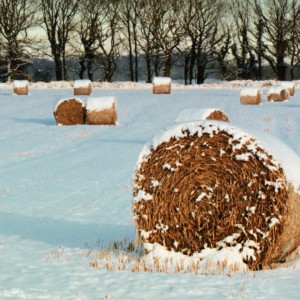 Experiencing winter depends on context, such as culture, connection to land, community, and what support systems are available. There are several factors why the winter season can hit harder in rural and remote regions such as the following:
Latitude and Climate: Many rural and remote parts of Canada are located further north, meaning residents experience significantly reduced sunlight, prolonged periods of cold weather and significant snowfall.
Distance and weather: Road conditions, extreme winter storms, and long drives to reach others can deepen the sense of isolation in winter months.
Seasonal work and income fluctuations: Several outdoor industries slowdown in the winter, causing financial stress and disruption of routine.
Limited access to care: A 2026 national report by the CMHA showed that mental health services are less available and accessible in rural and remote regions (Lowe & Luther, 2026).
Connectivity issues: Broadband reliability for internet impacts virtual care offerings in rural and remote regions.
Stigma: In rural and agricultural communities, the pressure to push through can negatively impact someone’s impulse to seek help.
Lack of awareness: At times, the symptoms of SAD can be mistaken for another condition.
What Can Help
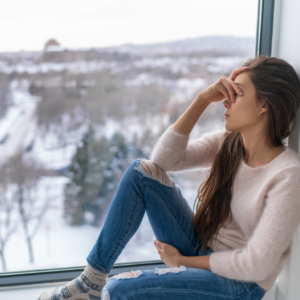 The good news is that seasonal affective disorder is treatable because it follows a predictable pattern. There is time to prepare for it.
If you think you may be experiencing SAD, talk to your doctor or therapist and ask them about the following treatment options.
Light therapy: Studies have shown this treatment to be an effective support for SAD. Also known as phototherapy, it involves sitting near a specialized light box that mimics the sun to help regulate melatonin and serotonin production to improve mood. (Pjerk et al., 2020).
Medication: Antidepressants may be effective alone or in combination with other treatments listed here. Consult a doctor to discuss whether medication is appropriate for you.
Talk Therapy & Counselling: Treatment can provide a supportive space to process emotions associated with SAD. Approaches like cognitive-behavioural therapy (CBT) can be adapted to help people recognize and challenge negative thoughts.
Daily Habits: Routine ensures you get enough time outdoors, maintain a regular sleep schedule, engage in physical activity, and eat well to help reduce symptoms and bolster your mental health. Applying these strategies along with other treatments can be beneficial.
Staying Connected: Despite the distance and weather, maintaining regular social events and peer support can help decrease feelings of isolation and despair that can come with SAD.
Resources & Support Programs
 At the Stigma-Free Mental Health Society, our Rural Minds Matter Program offers dedicated tools for the mental health of remote and rural residents.
The Rural Mental Wellness Toolkit includes inspiring stories, educational materials and videos of others with similar experiences.
If you’d like to build connections and help your community this winter, our Rural Minds Matter Peer Support Training is a great way to gain the confidence and tools to support your peers.
Our Step-By-Step Guide walks you through how to get started.
You can also visit the Help and Community Resources page and blog for more information and ways to support yourself.
Additional Resources
- Canadian Mental Health Association – for more information on SAD and access to a national mental health resource hub
- HeretoHelp – info sheets and personal stories about seasonal affective disorder
- Do More Agricultural Foundation – for mental health programs and resources geared towards farmers
Crisis Hotlines
- 988 Suicide Crisis Helpline – Call or text 988, 24/7 anywhere in Canada
- Hope for Wellness Helpline – 1-855-242-3310 for Indigenous peoples, call or chat online
- National Farmer Crisis Network – 1-866-327-6701, 24 hours a day and 7 days a week
Quick Mental Health Checklist for SAD
- Spend time outdoors every day
- Arrange your space to maximize sunlight exposure by keeping your curtains open during the day or trimming back greenery that blocks your windows from getting sunlight.
- Prioritize physical activity to relieve stress, and enhance physical and mental resilience.
- Try to moderate sleep and carbohydrate cravings that accompany the effects of SAD.
- Connect with others and speak about your experience.
Cycles of Nature
 Winter spans many months, and for residents in remote regions, it can feel even longer. It is important to understand that experiencing SAD is not a sign of weakness, and it isn’t something you need to tough out on your own. It is a recognized and treatable form of depression with a seasonal pattern. Recognizing it early, planning for it, and reaching out during the darkest months are important steps you can take.
Author: Kristine Mitchell, Content Specialist, Stigma-Free Mental Health Society
Sources:
https://www.nimh.nih.gov/health/publications/seasonal-affective-disorder
https://bc.cmha.ca/documents/seasonal-affective-disorder-2/
Lowe, Leyna and Alex Luther. (2026). Closing the Distance: Mental Health in Rural and Remote Canada. Toronto, ON: Canadian Mental Health Association.
Pjrek, E., Friedrich, M. E., Cambioli, L., Dold, M., Jaeger, F., Komorowski, A., … & Winkler, D. (2020). The efficacy of light therapy in the treatment of seasonal affective disorder: a meta-analysis of randomized controlled trials. Psychotherapy and Psychosomatics, 89(1), 17-24.