A diagnosis of borderline personality disorder (BPD) can raise many questions – not only for the person receiving it, but also for their parents, caregivers, or loved ones. What does this mean? What can we do to help? How do we move forward together?
In this interview, Melanie Goldman draws on her lived experience and professional expertise to offer advice for those navigating a BPD diagnosis. She dispels common misconceptions, offers communication strategies, and guides you through supporting your child or loved one compassionately.
About Melanie
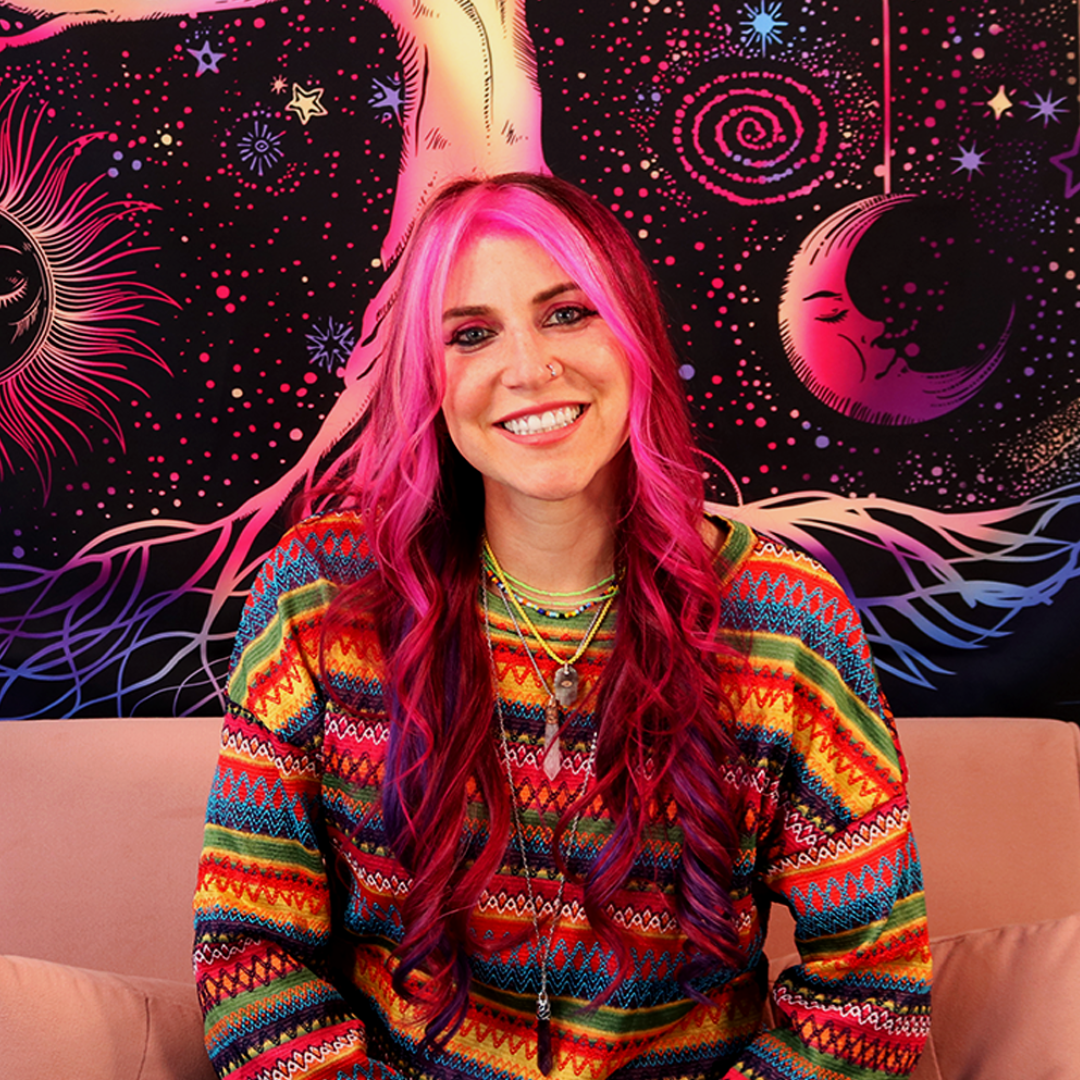
Melanie is a Registered Psychotherapist (Qualifying) and founder of Mind Over Borderline Therapy. She is a mental health advocate, motivational speaker, writer, spiritual guide, musician, and champion for those with BPD in Canada. A leader in the mental health sector for over a decade, Melanie has shared her voice through podcasts such as From Borderline to Beautiful, The BPD Bravery Show, and as a cast member of the YouTube TV series The BPD Bunch. With a Master of Arts in Counselling Psychology, she has undergone training in dialectical behavioural therapy (DBT) and cognitive behavioural therapy (CBT) and is currently training in other therapeutic techniques.
Learn more about Melanie and her practice
You’ve been open about your personal journey with BPD through your advocacy, and you’re now a Registered Psychotherapist (Qualifying). Can you share a bit about what you do, what led you to this work, and why supporting individuals with BPD is so important to you?
There was a time in my life when I couldn’t even see the next day. I couldn’t explain the symptoms happening around me or put words to the experiences I was having in the world. I couldn’t explain the absolute dread of waking up. For the longest time, I just knew I was different — but not the kind of different where it was okay to be different. It was the kind of different where it felt unbearable to be alive, and in my mind, there wasn’t really anything to do about it.
When I received my diagnosis ten years ago, it felt like the biggest sigh of relief — a sense of freedom — because at least there was finally an answer. Through my whole life, I’ve always wanted to help people, and I’ve always found myself doing so in one way or another. But there were many things that got in the way, not just the symptoms. One of the main reasons I never thought it was possible for me to truly help people was because I had always aspired to be a famous singer. It’s not that I don’t still use music as an outlet or stay involved in it, but for me, going back to school and completing the long, tiring journey of my master’s felt impossible. I often asked myself, “How could someone like me actually do something like that? Would the world ever take me seriously?”
After getting your diagnosis, you go down a rabbit hole of reading every dreadful thing people say about those with BPD, and you really have two choices — you can listen to the stigma, or you can rise above it. I felt in my heart, and I’ve always known, that my calling wasn’t just about me — it never has been. My grandmother, Rae, who struggled immensely with her own mental health, and my sister, who still struggles to this day, both inspired me deeply. I knew I needed to do something, to rise above my own doubts.
In my endless search to advocate for myself and others, I went back to school. I went back with a dream in my heart. Originally, I imagined my centre would be called Rae of Light, but now, having completed my master’s and just recently submitted all my hours to become fully registered as a therapist next month, I see how far this dream has come. Over the past ten years, I’ve advocated in countless ways — from being on more than twenty podcasts, to running support groups for NGOs such as Emotions Matter, a beautiful nonprofit, to being part of a cast of individuals in recovery on The BPD Bunch, a show that shares stories of healing and hope. I’ve spoken on panels, led workshops, and now opened my own online clinic, Mind Over Borderline Therapy, which has been running for about four months, and where I already have a full caseload of clients.
What led me to this work, and what continues to lead me every single day, is the higher calling that this mission isn’t about me. It’s about helping others find the light they were told they’d never see.
 Stigma and stereotypes surrounding BPD might lead to fear or confusion after a diagnosis. What are some of the most common misconceptions you’ve encountered, either personally or through your work with clients? What do you wish more people understood about the condition?
One of the biggest misconceptions I hear about people with BPD is that they’re manipulative. This is not only inaccurate but deeply unfair. What’s often labeled as “manipulation” is actually a cry for help — a form of survival. It’s an expression of unmet needs, pain, and fear of abandonment. When someone is doing everything they can to feel safe or seen, it’s not about control; it’s about trying to manage an inner world that feels completely overwhelming. Research has shown that behaviors often perceived as manipulative are more accurately understood as maladaptive coping strategies that develop in response to trauma and attachment disruptions (Beauchaine & Linehan, 2009).
Another painful misconception is that people with BPD are abusive or dangerous to those around them. In reality, research consistently shows that individuals with BPD are far more likely to harm themselves than others. Studies have found that up to 75% of people with BPD engage in self-injurious behavior, and nearly 10% die by suicide — among the highest rates of any mental health condition (American Psychiatric Association, 2013). Most of the people I’ve met with BPD, including hundreds of clients and peers I’ve spoken to over the years, are incredibly empathic, sensitive, and caring. They often internalize pain rather than externalize it.
What I wish more people understood is that at the core of BPD is shame — even though it’s not technically listed as a symptom, I believe it’s the thread that runs through everything. Research supports that individuals with BPD experience profound levels of shame and self-criticism, which are strongly correlated with emotional dysregulation and self-harming behaviors (Rüsch et al., 2007). People with BPD live with an undercurrent of shame that touches every part of their lives. They mentally punish themselves more harshly than anyone else ever could. They’ve often spent years being misunderstood, self-harming, self-isolating, and feeling trapped in confusion and fear over what they can’t be, instead of being seen for all that they could be.
When you look beyond the stigma, what you often find is someone who feels things more deeply, loves deeply, and desperately and just wants to be understood.
 For parents who have just learned that their child has been diagnosed with BPD, what are some of the first steps they can take to support them and their treatment?
The first and most important thing to remember is that there is hope, and your child is not broken. The best thing you can do in those early stages is to learn as much as possible about the condition and what your child might be experiencing. In Canada, accessing a specialist for a proper assessment and evidence-based treatment like Dialectical Behaviour Therapy (DBT) can make a tremendous difference. DBT has been shown to be one of the most effective treatments for emotional dysregulation and BPD, and there are clinics and programs across the country that offer it, including the Borderline Personality Disorder Clinic at CAMH in Toronto and several DBT-informed community programs throughout the provinces.
Parents can also benefit immensely from learning a new set of skills. Programs like Family Connections™, offered across Canada by the SashBear Foundation, provide families with practical strategies drawn from DBT, helping them understand their loved one’s emotional world, communicate more effectively, and manage their own stress in the process. Many parents who complete these programs describe them as life-changing because they finally begin to understand that their child’s emotions aren’t manipulative or “bad” but rather intense responses to deep pain and fear.
Creating a validating home environment is another essential step. This means acknowledging your child’s emotions, even when you don’t agree with their behaviors, and helping them feel seen and safe. Reducing shame, keeping communication open, and maintaining consistent boundaries go a long way. Collaboration with schools, therapists, and other care providers can also help create a stable support system around your child. And just as importantly, parents need to care for themselves, through therapy, peer groups, or simply taking time to breathe and rest.
At my clinic, I make a point of emphasizing that every person’s experience with BPD is unique. Support groups, therapy, and resources can be incredibly helpful, but what works for one child or family may not work for another. Each journey is individual, and with the right support and persistence, meaningful progress and recovery are possible.
 What communication strategies or tools have you found helpful for loved ones to foster a healthy, connected relationship with someone diagnosed with BPD?
One of the most important things I’ve learned is that communication with someone with BPD is less about fixing them and more about creating a sense of safety, understanding, and connection. Validation is everything. Simply acknowledging what your loved one is feeling, without judgment or immediately trying to solve the problem, can be transformative. Saying something like, “I hear you, and it makes sense that you feel this way,” can help someone feel less alone, even in moments of intense emotional distress.
Setting clear, consistent boundaries is another key tool. Boundaries aren’t about pushing someone away; they are about creating a safe container for everyone in the relationship. When boundaries are communicated gently but firmly, it provides predictability and structure, which helps the person with BPD feel more secure and less on edge.
Over the years, I’ve seen how active listening, reflective communication, and mindfulness in conversations can really change the dynamic. It’s also crucial to regulate your own emotions. Staying calm, grounded, and present even when your loved one is dysregulated can prevent escalation and show them what healthy coping looks like.
I always remind people that relationships with someone who has BPD require patience, empathy, and self-care. It can feel exhausting at times, and misunderstandings will happen, but consistent connection, validation, and healthy boundaries create a foundation where trust, healing, and understanding can grow. Every interaction matters, even small ones. It’s about showing up, staying connected, and believing in their ability to heal while also protecting your own emotional well-being.
 If you could share one message of hope or encouragement for anyone navigating a BPD diagnosis – whether they are living with BPD themselves or supporting someone who is – what would it be?
If there’s one thing I want to say, it’s this: your life is yours. Your timeline is yours. Whatever is meant to be yours will be. The world will always have something to say, but your story belongs to you.
Your big emotions can feel like the sharpest daggers of destruction or the deepest arrows of hope — both leading you to places you never thought you could reach. I would’ve never believed I’d be where I am today. The things that brought me to my knees also brought me to communities, people, places, and inspiring moments I never dreamed were possible.
For anyone reading this right now who feels like they don’t want to be here, or they wish they didn’t feel the way they do, I want you to remember this: every single feeling you have makes you who you are for a reason. You are creative. You are wonderful. You are unique. You are purposeful. I’ve never met a single person with this diagnosis who isn’t deeply special in their own way.
And finally, to those who love and support people with BPD — I want to say I love you, too. You have no idea how much your presence, patience, and compassion mean.
References
American Psychiatric Association. (2013). Diagnostic and Statistical Manual of Mental Disorders. 5th ed.
Crowell, S. E., Beauchaine, T. P., & Linehan, M. M. (2009). A biosocial developmental model of borderline personality: Elaborating and extending Linehan’s theory. Psychological Bulletin, 135(3), 495–510.
Rüsch, N., Lieb, K., Göttler, I., Hermann, C., Schramm, E., Richter, H., Jacob, G. A., Corrigan, P. W., & Bohus, M. (2007). Shame and implicit self-concept in women with borderline personality disorder. American Journal of Psychiatry, 164(3), 500–508