
With the winter break approaching, students and families will soon experience a shift in their daily routines. Time away from school, shorter days, and colder temperatures can change how young people spend their time – often meaning fewer outdoor activities and more time online.
For parents, caregivers, and school staff, this season offers an opportunity to check in with youth and foster healthy habits both on and off screens. This blog brings together winter wellness tips, signs to watch for, and Stigma-Free resources to help you support the young people in your life.
 Why Youth May Need Extra Support During the Winter Season
Spending time outdoors and getting natural light are important for mental health at any age. During the holiday break, the cold weather and reduced daylight might affect children’s energy levels and mood.
Some youth might experience what’s commonly known as the “winter blues,” which can involve feeling tired or having less motivation for a short period of time. A smaller group may experience Seasonal Affective Disorder (SAD), a clinical form of seasonal depression linked to changes in light exposure.
While the winter blues are temporary and can be a normal reaction to seasonal changes, SAD is longer lasting and more severe, interfering with a young person’s ability to function and enjoy daily life. It also usually follows a cyclical pattern, recurring each fall or winter. Understanding these differences can help caregivers and educators recognize when youth may benefit from extra support.
 Screen Time and Social Media During Winter Break
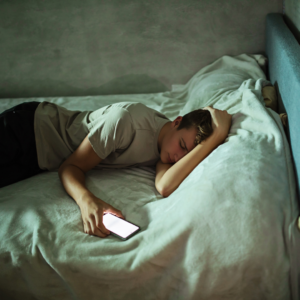
When outdoor activities drop off, young people may find themselves naturally spending more time on devices and social media. Positive interactions online can be beneficial for mental health, helping youth feel connected to peers. However, negative experiences like cyberbullying, social comparison, or excessive screen use can impact mood and self-esteem. For youth already feeling isolated or low, these experiences might have an even greater effect.
 Signs a Young Person May Be Struggling (Online or Offline)
Whether related to seasonal changes, online experiences, or other stressors, it’s helpful to be aware of shifts in young people’s behaviours. Here are a few signs to watch for during the holiday break:
- A persistent or noticeable change in mood.
- Withdrawing from friends or activities they usually enjoy.
- Hiding devices or concealing what they’re doing online.
- Anxiety about going online or difficulty stepping away from screens.
- Changes in appetite or sleep patterns (e.g., sleeping significantly more than usual or struggling to get adequate sleep).
These signs don’t automatically indicate a serious problem, but they might signal that a young person could benefit from an open conversation about mental health or online experiences, including cyberbullying.
 Staying Connected Without Over-Relying on Social Media
Social media can be a great tool for youth to stay in touch, especially during the winter break when they may not be seeing friends as regularly. At the same time, using devices in a way that becomes excessive or compulsive – to the point where it interferes with other daily activities – can be detrimental to mental health. Striking a balance is key. Consider encouraging youth to:
- Choose video calls to promote meaningful interactions with peers (instead of only scrolling on social media).
- Engage in creative hobbies like writing, drawing, or music.
- Set screen time “boundaries” together as a family, including regular breaks and screen-free time such as before bed or during meals.
- Connect with community groups and reach out to classmates, neighbours and friends.
- Participate in safe, moderated online spaces.
 Creating a Healthy Winter Break Routine
Maintaining some structure while school is out can support children and teens’ well-being. Consistent sleep habits – going to bed and waking up around the same time – are a helpful place to start. Adequate sleep is vital for mental health, especially for youth.
Building daylight and movement into your routine can also help. Try to get outside during daylight hours, when possible, even if it’s just a short walk. Natural light and physical activity can both help boost your child’s mood. Modeling mindful screen habits for youth can make a big difference as well.
Educators can play a role by sharing resources with students before the break, reminding them who they can reach out to if something happens online, and promoting kindness on social media.
Stigma-Free Resources to Support Youth This Winter
The Student Mental Health Toolkit offers free, easy-to-use tools that are perfect for families, caregivers, and educators. Here are a few options for this winter break:
- Understanding Cyberbullying & Social Media Addiction: A printable downloadable resource that helps teens explore how to stay safe online while still enjoying the positive aspects of social media.
- Youth Activities & Conversation Cards: Prompts and activities to spark discussion about mental health and coping strategies. Try the Mental Health True and False Quiz with youth to promote awareness and self-reflection.
- Toolkit Video Library: A curated collection of short, engaging videos about mental health for the classroom or home.
- Lesson Plans: Before or after the break, we invite school staff to incorporate mental health into classroom conversations with our lesson plans, including “Tracking Your Mood & Recognizing Patterns” and “10 Tips for Taking Care of Your Mental Health.”
 All these resources and more are available through free registration to the Student Mental Health Toolkit: sign up for full access here.
Let’s continue to uplift youth mental wellness and create safer, kinder spaces in the classroom, at home, and online. Remember, you’re not alone in supporting the young people in your life. If you’re also looking for ways to care for your own mental health, check out our Resources for Parents, Guardians, and Caregivers and Mental Health for School Staff sections. On behalf of the Stigma-Free team, thank you for all you do to care for youth. We wish you a safe and restful holiday season.
References
Amirault, S. (2020, December). “Psychology Works” Fact Sheet: Seasonal Affective Disorder (Depression with Seasonal Pattern). Canadian Psychological Association.
Canadian Mental Health Association. (2025, January 20). Blue Monday: Understanding Seasonal Affective Disorder (SAD). CMHA North and West Vancouver.
Public Health Agency of Canada. (2023, October 23). Mental Health and Problematic Social Media Use in Canadian Adolescents. Government of Canada.
The University of British Columbia. (2024, September 19). Understand Cyberbullying. Privacy Matters – UBC.
Author: Monique Zizzo