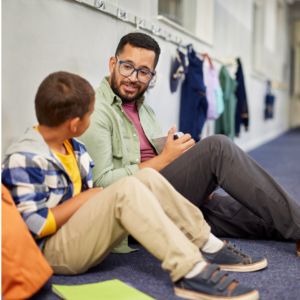

The fact that men are far less likely to share their mental distress may say less about them, and more about the culture we’ve built. This Movember, and in honour of International Men’s Day, we’re unpacking the stigma that keeps men quiet and offering support to those that need it. Raising awareness around men’s mental health can save lives.
Why it Matters
 It can feel uncomfortable to talk about mental health, especially for men. The data shows that it is far more common for men’s conditions to go undiagnosed or untreated, and they are less likely to share their mental distress with others. In Canada, men account for about half the population but statistically they account for nearly 75% of suicide deaths.1
Often the people who need the most help are the least likely to ask for it. The stigma around this subject can leave men feeling as though they carry a heavy burden, but that asking for help to carry it would be a sign of weakness. It is time to break the silence, understand the barriers that prevent men from seeking support, and implement actionable steps to change this reality.
If you or someone you know is struggling,
Call or text 9-8-8 to reach the Suicide Crisis Hotline, any time.
Why the Stigma?
To shift attitudes, we need to first understand the tendency towards self-reliance that is stopping men from getting the care they need. This can be due to a variety of barriers, such as:
Masculine Norms
 Unrealistic stereotypes of strength and stoicism shape society’s perception and expectations about what a man is – and is not. Strong, self-reliant, tough, emotionless; the old adage “boys don’t cry” has done significant harm, creating a toxic environment that makes it harder to recognize the signs of mental illness, rendering men less likely to seek help. A recent systemic review showed that men who strongly conform to masculine norms were more prone to suicidal thoughts and attempts.2
Fear of Judgement
Men often worry that talking about their mental health could harm their reputation and relationships. Research suggests that they may also avoid seeking professional help out of fear of being perceived as vulnerable or weak.2
Lack of Emotional Support
Often male friendships remain in “safer” more superficial territory, leaving little room for genuine self-disclosure3. When the people closest to a man never know how he’s really doing, it can make it that much harder for him to bring up the topic on his own and find the emotional support he needs.
Absence of Awareness
Many men may not recognize the signs of a mental illness or know where to go to seek help. This can be especially true in marginalized communities, such as LGBTQ+ men, men of colour, or those that live in rural or remote regions.4
Recognizing Signs of Need
Mental health symptoms in men don’t always manifest as expected, as symptoms may differ between genders. For men they may include:
- Aggression or anger
- Emotional numbness or suppression
- Losing interest in things they used to enjoy
- Pulling back from people or withdrawing
- Loss of appetite or unexplainable pain
- Risk-taking behaviours
- Coping through substance use or excessive work
 These signs are not exclusive to men, and on their own, may not necessarily indicate someone is struggling. What is important is to pay attention to noticeable changes that last for an extended period. It is also important to understand that men are more likely to experience externalized symptoms, rather than the sadness typically associated with depression, for example.
Ways to Support Men in our Society
The responsibility to foster change falls on our collective shoulders. Together we can build a healthier environment for our sons, fathers, brothers, partners, and friends.
Strategies can look like:
Getting Informed
Take time to learn about mental health. Do your research – the more you understand, the more empowered you are to support someone and take their mental struggles seriously.
Reframing Vulnerability as a Strength
 We need to rethink what masculinity looks like and make space for a wider range of emotions and a more liberated expression of them. Research shows that concepts of masculinity are changing, and most men aspire to a more balanced, relational and caring ideal.5
Starting the Conversation
Talking about emotions shows courage and willingness to change. Encouraging conversations about mental health can help dismantle stigma in our schools, community centers and workspaces. Simple, direct and judgement-free prompts work best, and then listen to their response without rushing to fix or change things.
Movember Conversations is a helpful online tool to build confidence in talking to a friend who might be struggling.
Sharing Resources
Our Rural Mental Wellness Toolkit brings together a collection of Men’s Mental Health Resources, including inspiring stories and informative videos from men in rural industries such as farmers, ranchers.
It also includes informative articles like 5 Tips for Men’s Mental Health and other blogs on this topic, which can be helpful to check out.
 Our Toolkit also outlines various organizations making changes in the industry, such as Man Therapy, an online space for tackling stress, sadness, substance use and difficult thoughts, and HeadsUpGuys, an impactful organization supporting men’s mental health.
Movember.com has a rich variety of resources, videos, and articles to learn from and encourage meaningful conversations about men’s mental health.
Encouraging Seeking Help
Buddy Up is a Canadian men’s suicide prevention campaign teaching men how to help their friends who may be struggling with thoughts of suicide. Whether through counselling, peer support groups, or hotlines – get help if you need it.
Ideas for Individuals
If this article resonates with you, know that you don’t have to have it all figured out to take the first step. Some ways you can support your mental health:
- Talk to a friend or someone you trust: and open up about how you really feel.
- Join a men’s group or team: to stay connected to people and resist the urge to withdraw.
- Move your body: exercise, play sports, or simply make sure you get outside once a day.
- Find a healthy outlet for your feelings: like journalling, music, or meditation.
- Talk it out: share how you’re doing, out loud and to others that you feel safe with.
- Ask for help: don’t be ashamed of needing support if you need it.
End the silent struggle
Men’s mental health matters.
It is essential to raise awareness about this issue and remind people that no one has to suffer alone. This International Men’s Day step up, speak out and support the men in your life, and yourself.
Author: Kristine Mitchell
Sources:
1) Public Health Agency of Canada. (2020). Suicide in Canada: Key statistics [Infographic].
2) Galvez-Sánchez, C. M., Camacho-Ruiz, J. A., Castelli, L., & Limiñana-Gras, R. M. (2024). Exploring the role of masculinity in male suicide: A systematic review. Psychiatry International, 6(1), 2.
3) Wagner, A. J., & Reifegerste, D. (2024). Real men don’t talk? Relationships among depressiveness, loneliness, conformity to masculine norms, and male non-disclosure of mental distress. SSM-Mental Health, 5, 100296.
4) Brannen, C., Dyck, K., Hardy, C., & Mushquash, C. (2011). Rural mental health services in Canada: a model for research and practice. Health in rural Canada, 239-57.
5) Herron, R. V., Ahmadu, M., Allan, J. A., Waddell, C. M., & Roger, K. (2020). “Talk about it:” changing masculinities and mental health in rural places?. Social Science & Medicine, 258, 113099.