For those living in rural and remote communities, there is often a strong sense of independence and resilience. But with that independence comes a unique set of challenges: access to mental health support is limited, and stigma makes it difficult for people to reach out when they need to talk. These challenges are more pronounced for people working in agriculture. Farming and ranching are among the professions with the heaviest mental and emotional demands.
Recognizing these challenges, Stigma-Free Mental Health Society (SFMHS) developed Rural Minds Matter Peer Support Training to equip rural residents with the tools and confidence to support their neighbors when they need someone to lean on. Provided in partnership with Sara Riel, this training helps strengthen rural communities and reduce mental health stigma.
Why Do Rural Communities Need Peer Support Groups?
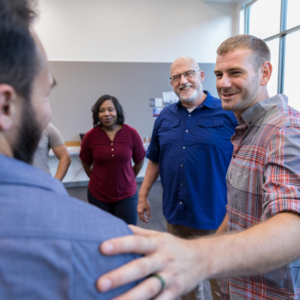 Rural residents, especially those who work in agriculture, may face a combination of pressures. Producers may feel they must be constantly “on the job,” especially when they live on the farms they operate. Many feel the weight of financial uncertainty caused by unpredictable weather, market conditions, or other circumstances beyond their control.
These factors can be difficult for individuals and families to navigate. People in agricultural professions often deal with chronic stress, which can lead to both physical and mental health issues. They are also at a greater risk of suicide, making mental health support a critical priority in these communities.
Establishing peer support programs can help people cope with these stressors. Having a trusted peer to talk to, someone who understands the challenges of rural life, can reduce feelings of isolation. This is precisely the gap that Rural Minds Matter Peer Support Training aims to fill by helping rural residents provide support.
What to Expect from the Training
 Our training is specifically designed for rural residents and anyone interested in supporting people living in rural communities. Participants leave the training with a solid foundation in peer support principles, as well as strategies to establish support groups locally if they choose to do so.
The program is delivered virtually over two days. Day one introduces models of support and the fundamentals of peer support, including standards and principles of practice. Day two focuses on application, helping participants facilitate their own groups and learn techniques to enrich peer support relationships. View the training’s learning outcomes here.
Accessible, Affordable, and Community-Focused
 One of the strengths of the Rural Minds Matter training is that it is an accessible opportunity for those looking to make a difference in their communities. The registration fee is just $50 to cover administrative costs, with the program being valued at $375. We want to bring our training to as many rural locations across Canada as possible, and we encourage you to contact us if the administrative fee is a barrier.
Since its launch in 2021, 145 people have completed the training. Here is a glimpse of the feedback we’ve gotten from participants:
“I loved the conversations in a safe space.”
“Thank you so very much for providing this course. I appreciate it very much and am grateful for it being a tool for my journey!”
“I enjoyed this training – it was what I was looking for and needed. Thank you.”
“The presenter was very knowledgeable and accepting of everyone’s ideas. He modeled great communication skills and how to make space for alternative perspectives and ideas.”
Additional Resources to Support Your Work
Stigma-Free Mental Health Society offers a suite of resources to complement the Rural Minds Matter training:
- Rural Mental Wellness Toolkit – As part of our Rural Minds Matter Program, this resource hub includes inspiring stories, educational materials, videos, and other media to enhance peer support groups and the wider community’s well-being.
- Starting a Rural Peer Support Group in Your Community: A Step-By-Step Guide – Offers guidance on promoting and funding your group, determining the needs of your community, mitigating risk, and more.
- Mobilizing Rural Peer Support Groups in Canada – Tips for overcoming barriers to implementing peer support programs in rural communities.
 These resources ensure participants are supported well after the training and have tools to create mental health initiatives in their area.
Stay Updated on Upcoming Trainings
By participating in Rural Minds Matter Peer Support Training, rural residents gain the knowledge to actively support one another and ultimately reduce the stigma that might prevent someone from seeking help. Peer support is a way to ensure that no one feels alone while facing mental health challenges, and your involvement can create a ripple effect, improving the lives of others in your community.
Sign up to be notified about future training sessions, or contact us if you are interested in registering a group.
Thank you for considering this opportunity to support rural mental health. To learn more about our resources, browse the offerings from our Rural Mental Wellness Program and Stigma-Free School Program.
References
Hagen, B. N. M., Sawatzky, A., Harper, S. L., O’Sullivan, T. L., & Jones-Bitton, A. (2021). What Impacts Perceived Stress among Canadian Farmers? A Mixed-Methods Analysis. International Journal of Environmental Research and Public Health, 18(14), 7366.
Mental Health Commission of Canada. (2022, March 30). Agriculture and Suicide Fact Sheet.
Author: Monique Zizzo