
Today, communities across Canada are coming together to take a stand against bullying for Pink Shirt Day. At Stigma-Free Mental Health Society, we are proud supporters of CKNW Kids’ Fund Pink Shirt Day because anti-bullying advocacy is a core part of what we do. Through our programs, we help schools build welcoming and accepting environments for students. When students feel like they belong, their mental health benefits, and stigma loses its power. Here are a few ways you can take action to prevent bullying, along with no-cost resources to share with youth in your life.
Bullying, Shame, and the Toll on Youth Mental Health
 Bullying can affect how young people see themselves for years after it occurs, and sometimes for the rest of their lives. Today, cyberbullying is an increasingly prevalent form of mistreatment. In Canada, 71% of youth report experiencing bullying, and 25% report facing cyberbullying. Online harassment can harm young people deeply, especially because it may feel inescapable.
Many youth who are bullied feel ashamed and keep their experiences to themselves. This silence can exacerbate feelings of isolation and contribute to mental health challenges and low self-worth. That’s why breaking the cycle of bullying also means encouraging youth to speak up when they see something wrong, and creating environments where youth know they will be heard and cared for if they reach out to a trusted adult.
Prevention Can Start in the Classroom
 Feeling supported by teachers is a strong protective factor against bullying. When educators make it clear that bullying is not tolerated and that students can speak to them safely, youth may be more likely to seek help.
Prevention goes beyond responding to incidents. It means intentionally teaching empathy and emotional regulation skills to students, and setting the tone for an inclusive school culture.
No-Cost Lesson Plans and Activities on Bullying Prevention
Our Student Mental Health Toolkit offers lesson plans that align with both Manitoba and B.C. curricula, available at no cost when you register for full access. We’d like to highlight a few lessons that help educators address bullying proactively:
• Grades 4-7: Speaking Up for Ourselves and Others: The Hero’s Journey
Focused on activism and anti-bullying awareness, this lesson teaches students to stand up for what’s right in their everyday lives, inside and outside of the classroom.
• Grades 8-12: Bullying in High School: The Long-Term Effects
Through creative activities, videos, and an engaging comic book, students reflect on the mental health impacts of bullying and explore how their actions affect others long-term.
We also offer anti-bullying quizzes for grades 4-7 and 8-12 in the Student Activities section to reinforce students’ learning and encourage them to think critically about their role in creating safer schools.
Register for full access to the Toolkit to start implementing these materials in your classes!
Anti-Bullying Resources for School Counsellors
 School counsellors play a vital role in helping students process and respond to bullying. We suggest the Downloadable Resources section of our Student Health Toolkit, where you’ll find materials to help discuss bullying with students who have experienced or witnessed it. These resources include:
- How to Be an Upstander – Teaching students what to do when they see bullying happen and how to intervene safely.
- Understanding Cyberbullying and Social Media Use – Helping students navigate online mistreatment while building healthier digital habits.
- A wealth of additional resources that discuss mental health resilience.
Browse Our Downloadable Resources
We hope these tools help you kickstart important conversations with students, helping them feel empowered and uplifted in their school community.
For Parents, Guardians, and Caregivers: Creating Safe Spaces at Home
 Just like at school, young people are far more likely to open up about bullying with caregivers at home when they are in an open, non-judgmental environment. Simple steps can make a big difference; you can start by asking curious, open-ended questions about their day, normalizing conversations about mistakes and online conflicts, and reinforcing that it is okay to ask for help.
We recently launched a brand-new collection of materials in the Resources for Parents, Guardians, and Caregivers section of the Student Mental Health Toolkit called Digital Well-Being for Families. This section is designed to help families prevent and respond to cyberbullying, while building trust and digital awareness together. Resources and activities include:
- Guidance on what to do if your child is being cyberbullied
- Strategies to support healthy social media habits
- Conversation Cards on cyberbullying to help you start meaningful discussions about online respect and responsibility
Listening to Lived Experience: Reducing the Stigma
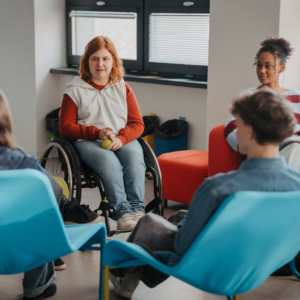 One of the most powerful ways to combat the stigma around bullying is to share authentic stories. When young people hear from others who have experienced bullying, it helps reduce the shame they may be feeling and reminds them that healing is possible. We encourage you to read and share Kristiyana Yordanova’s honest and inspiring story with youth. In this guest post, she discusses overcoming bullying and finding self-acceptance. Stories like Kristiyana’s show students that bullying does not define their worth and that things can get better.
We also invite you to book a Stigma-Free Presentation, where our trained presenters share their lived experiences with mental health and stigma. These presentations complement your efforts in creating a respectful school culture and help students see that vulnerability and empathy are strengths.
Let’s Break the Cycle
Both bullying and stigma thrive in silence. But when students feel supported by teachers, caregivers, and peers, they are empowered to speak up for one another and for themselves. This Pink Shirt Day, we invite you to explore our Stigma-Free School Program for more ways to protect youth mental health and take a stand against bullying and stigma, every day of the year.
References
Previl, Sean (2025, September 2). Canada’s youth a ‘generation at risk’ amid bullying, poverty: report. Global News.
Ontario Ministry of Education (2025, April 17). Bullying prevention and intervention planning for school boards.
Strøm, I. F., Aakvaag, H. F., Birkeland, M. S., Felix, E., & Thoresen, S. (2018). The mediating role of shame in the relationship between childhood bullying victimization and adult psychosocial adjustment. European journal of psychotraumatology, 9(1), 1418570.
Author: Monique Zizzo